Groundbreaking Technology for Vision Restoration
PRIMA is a retinal implant for geographic atrophy due to dry age-related macular degeneration (AMD)
This section has a prominent visual effect of a large, blurry black spot that follows the cursor on the white background, evoking the effect of losing central vision. As the black spot moves over the text, the text changes from black to white.

Living with AMD
Losing central vision can mean losing the ability to do the things that matter most. Existing treatments for dry AMD may help to slow the disease's progression but cannot restore vision.

How PRIMA Works
PRIMA uses a tiny implant and special pair of glasses to replace the function of light-sensitive cells in the eye that have been lost.
The Implant
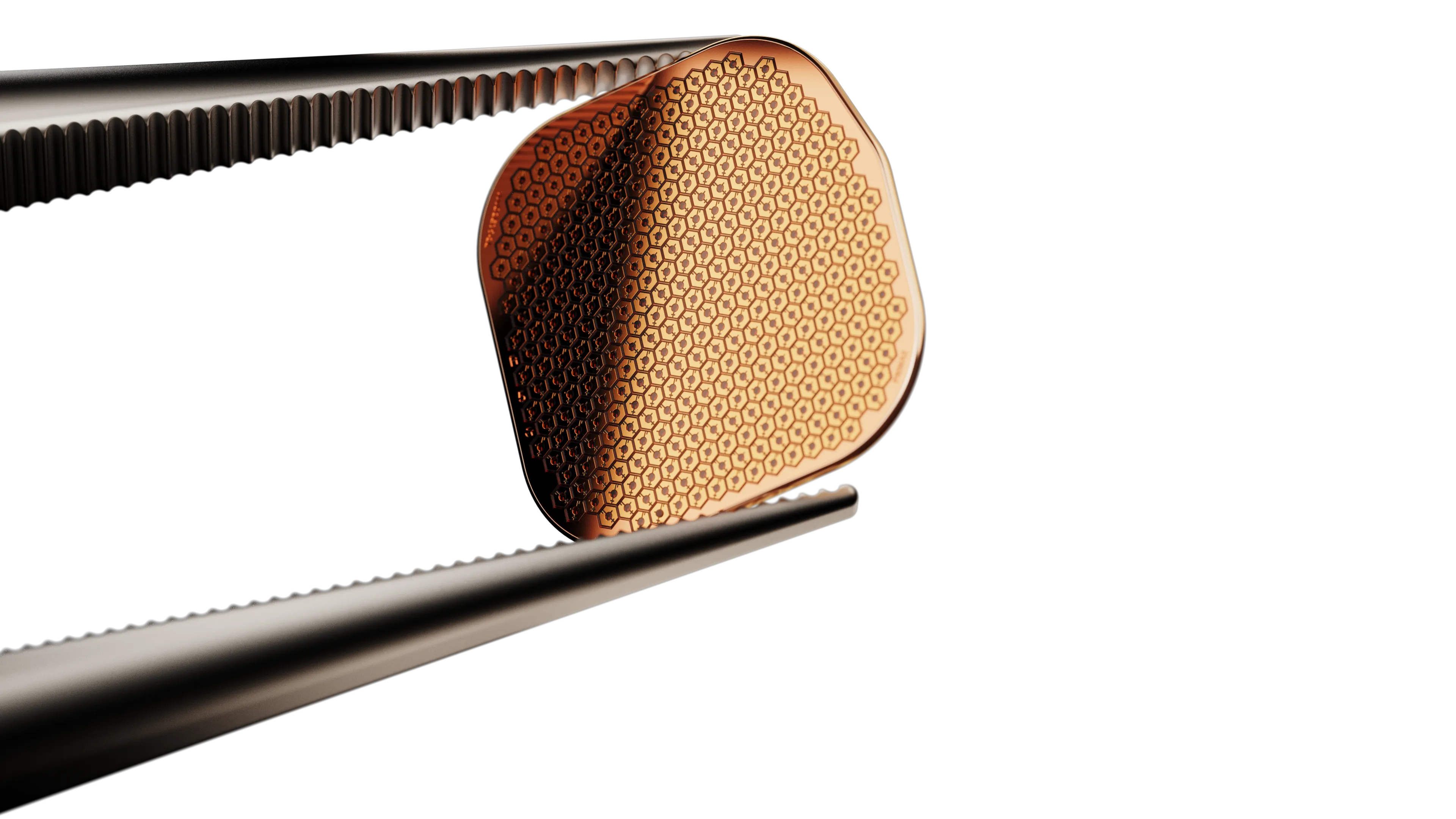
The PRIMA Implant has 378 light-powered pixels that convert light sent by the glasses into signals that stimulate cells in the retina.
The Glasses
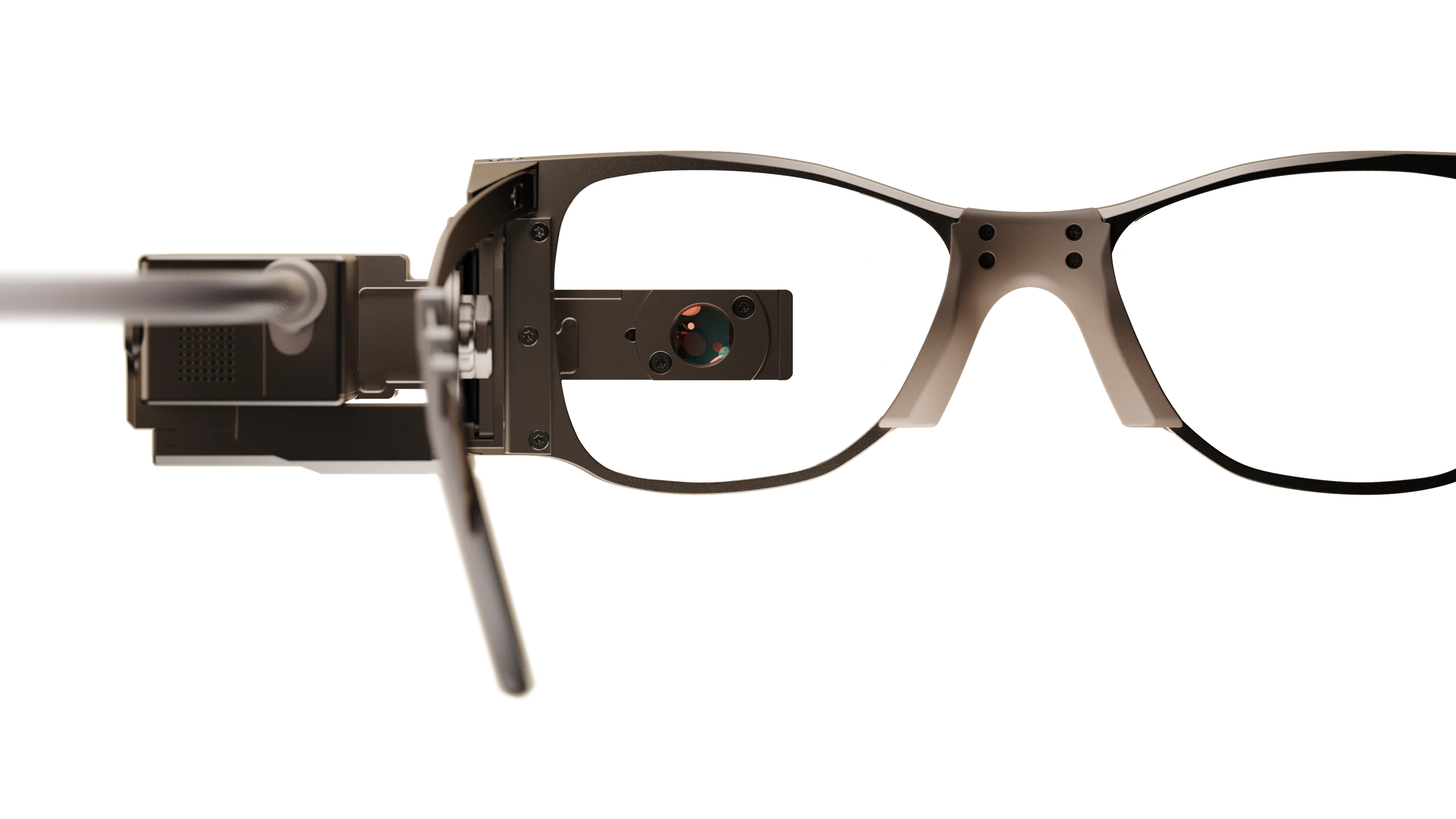
The PRIMA Glasses have a front-facing camera and eye-facing projector that shines light precisely on the implant.
Collaborators
For more than two decades, a team of scientists, surgeons, and engineers pursued what seemed impossible: restoring functional central vision to people blinded by geographic atrophy.
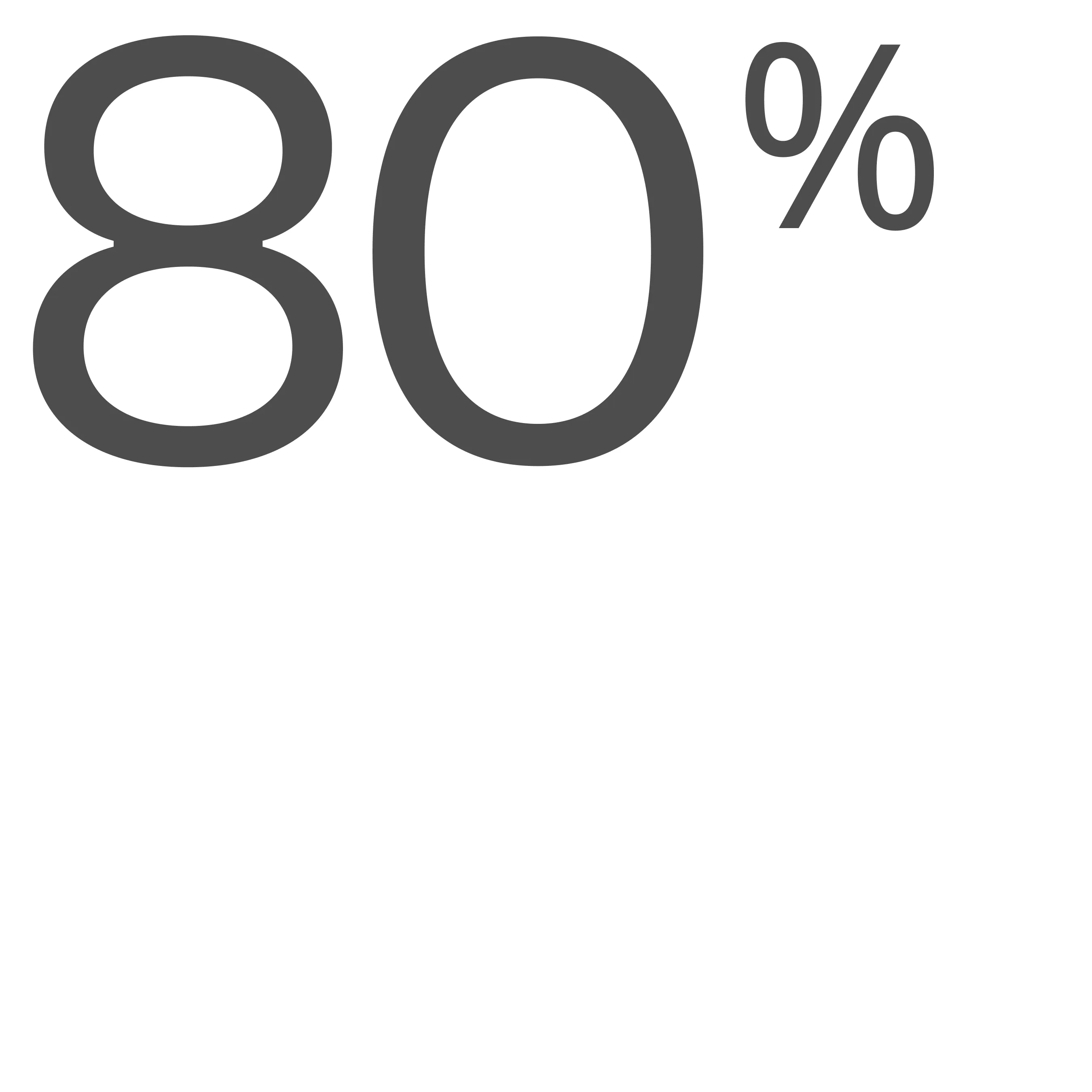
80% of patients demonstrated clinically meaningful improvement of visual acuity in clinical trials.

The New England Journal of Medicine

84% of patients reported reading letters, numbers, and words at home with PRIMA at 12 months.
The New England Journal of Medicine
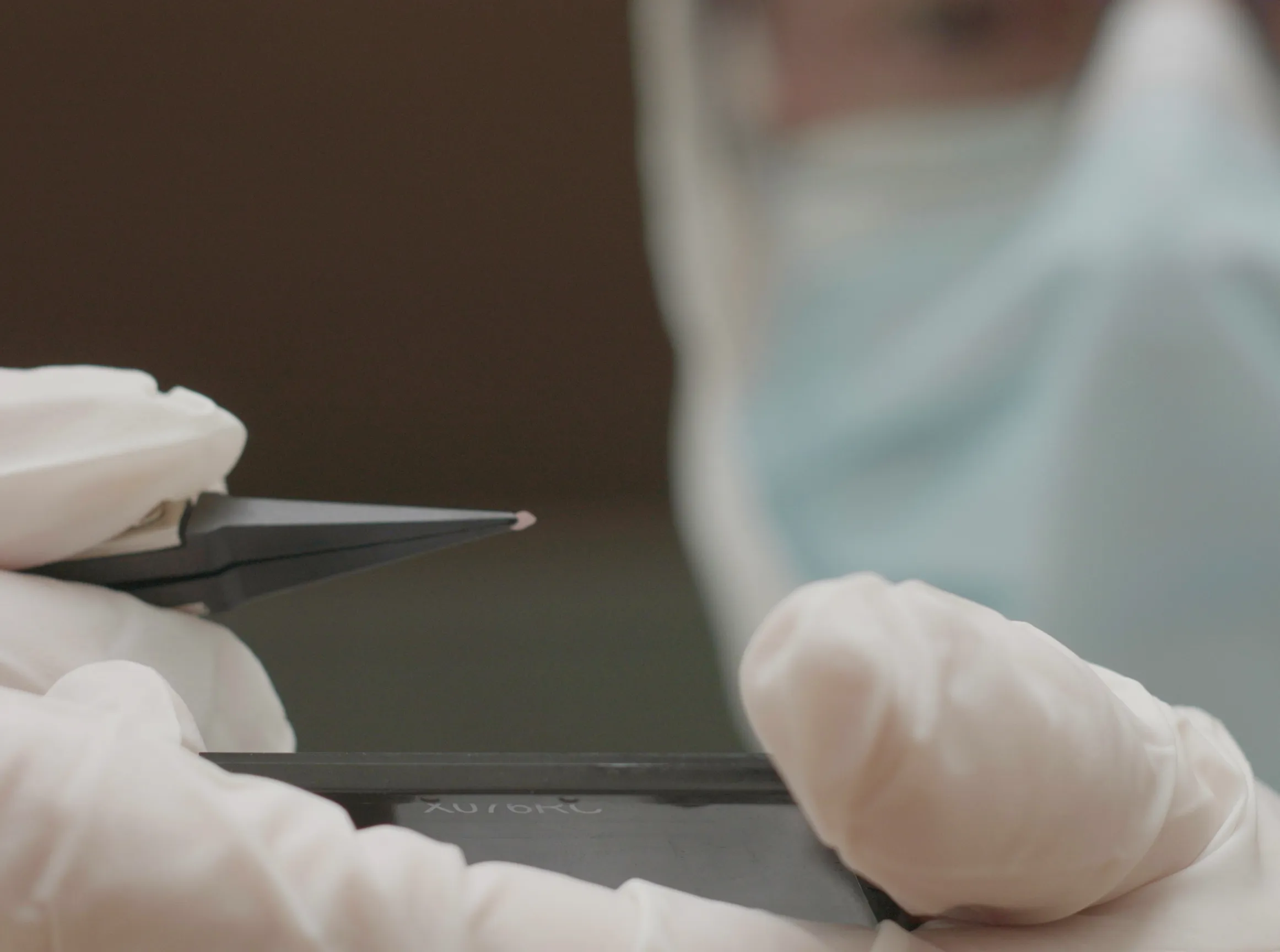
"Evolving technologies made it possible to come up with a 2x2 mm small chip that has many pixels on it that convert light into electrical stimuli. The impact is enormous for patients."

Frank Holz, Chairman of Ophthalmology at Bonn University, Germany
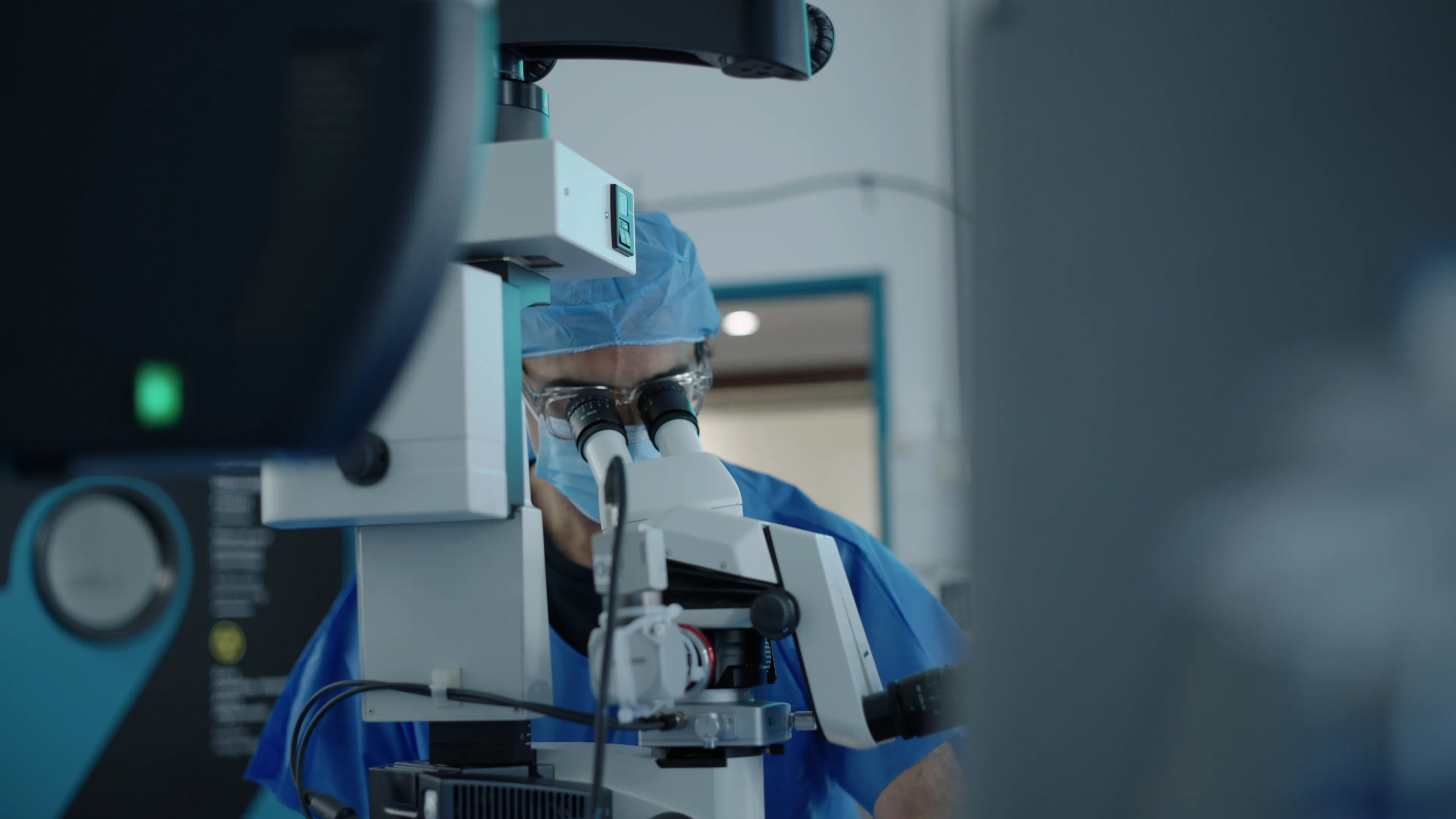
"Blind patients are actually able to have meaningful central vision restoration, which has never been done before."

Mahi Muqit, Vitreoretinal Surgeon at Moorfields Eye Hospital, London
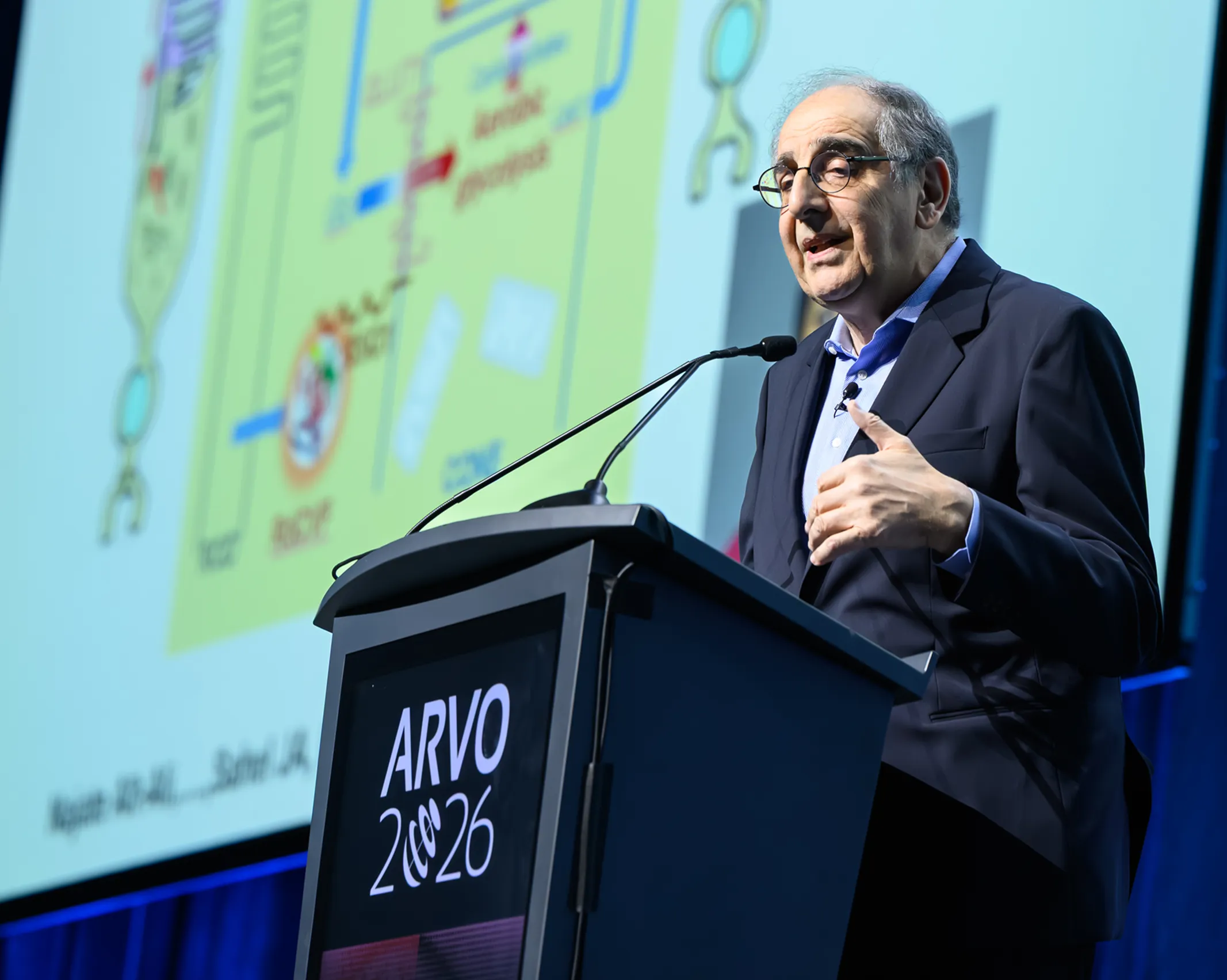
"I remember one patient telling me, I thought my eyes were dead and now they are still alive."

Jose-Alain Sahel, Chair of Ophthalmology at University of Pittsburgh School of Medicine
Frequently Asked Questions
Who is eligible for PRIMA?
In the European Union, PRIMA is indicated to treat severely sight-impaired adults with geographic atrophy due to dry AMD. PRIMA has not received market approval outside EU/EEA.
Eligibility depends on several factors and should be assessed with your retinal specialist. PRIMA may not be suitable if you have certain other eye conditions, active infections, or health conditions that could affect surgery or recovery.
Sign up at patients.science.xyz to stay updated on the availability of PRIMA in your country and future clinical trials for other retinal conditions.
What if I'm not currently eligible for PRIMA?
You can create a profile for yourself or a loved one to receive updates on PRIMA and our ongoing work by joining the patient registry.
What is visual acuity?
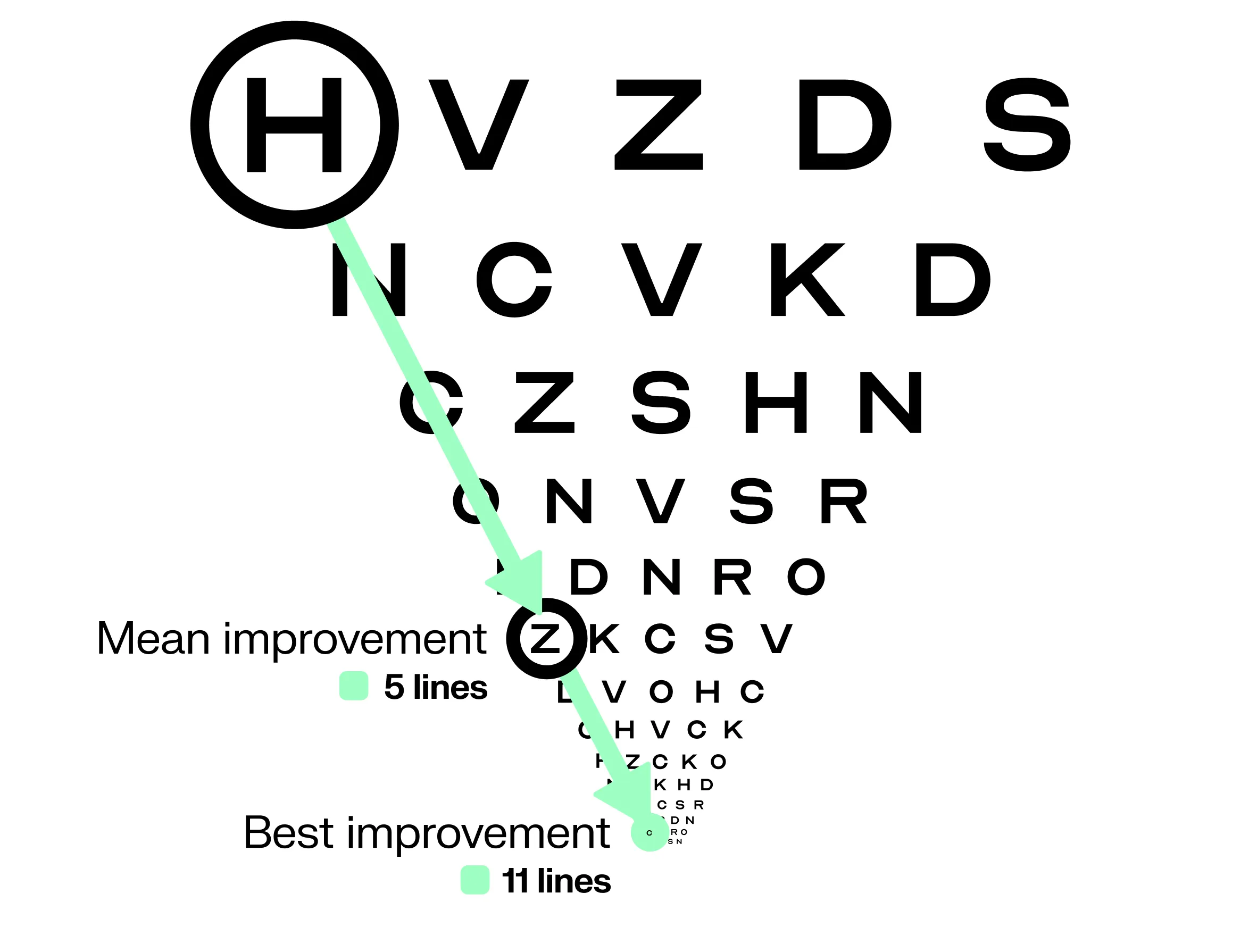
Clinical research typically uses an eye chart to measure the effects of a new treatment as a way to standardize data across patients and testing sites. The PRIMA clinical trial used a standardized vision chart for research called the ETDRS chart.
If you can read smaller letters on the chart, your visual acuity score is higher.
On average, patients in clinical trials gained 25 letters on the eye chart with PRIMA over 12 months. The best improvement was 59 letters.